CASE PRESENTATION
The patient is a Hispanic female who presented in July 2016 at the age of 26 with multiple earlobe keloids (Figure 1). She reported a 6-year history of progressively enlarging lesions that developed several months after ear piercing at age 20. The lesions demonstrated slow but continuous growth, resulting in four prominent keloidal tumors associated with significant psychosocial distress.
Her prior treatments included four surgical excisions, adjuvant radiation therapy, and multiple courses of intralesional triamcinolone, all resulting in recurrence. Additional shaving and debulking procedures were also ineffective. Her medical history was notable for type 1 diabetes mellitus, polycystic ovary syndrome, and gout. A strong family history of keloid disorder was present, with her father affected. There was no history of cutaneous malignancy.
On examination, she had long-standing, treatment-refractory earlobe keloidal lesions with a clear traumatic etiology and genetic predisposition. She was treated with cryotherapy according to KRF guidelines, undergoing multiple sessions over 18 months, resulting in significant debulking of all lesions (Figure 2). The right earlobe returned to near-normal appearance, and the left-sided lesions were markedly reduced, revealing underlying tissue loss from prior surgeries. At follow-up in April 2024, a minor recurrence on the left earlobe (Figure 3) was treated with additional cryotherapy.
Following treatment, the patient experienced complete resolution of her depression, regained confidence, and resumed normal social activities, reflecting a substantial improvement in quality of life.
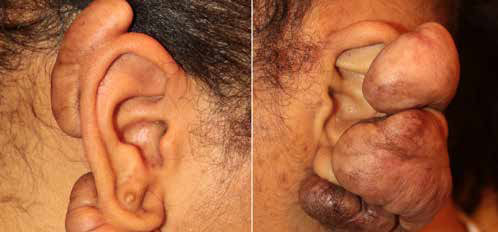
Figure 1 – Bilateral ear keloids at presentation in July 2016
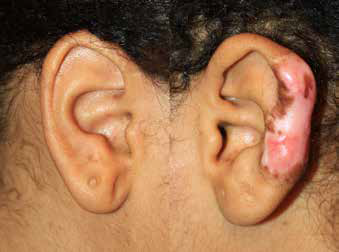
Figure 2 – Treatment outcome in December 2017
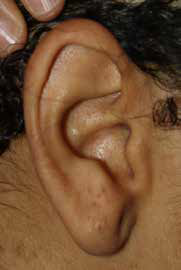
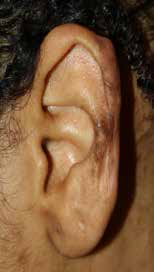
Figure 3 – Long term follow-up, Dec 2024, Minor Recurrence L ear.
BACKGROUND
Over several decades, multiple treatment modalities have been utilized to improve outcomes in patients with keloidal lesions. Historically, surgical excision combined with adjuvant therapies such as radiation, corticosteroid injections, pressure therapy, and laser treatments have been widely practiced. However, suboptimal outcomes and recurrence remain significant concerns, particularly for ear lesions in young patients. Clinical observations following exposure to cryotherapy-based treatments demonstrated improved cosmetic and psychological outcomes, prompting a shift toward non-surgical approaches.
METHODS
Clinical experience was evaluated based on longitudinal observations from surgical and burn care training, including practice at Johns Hopkins Hospital and leadership of a burn unit at Harlem Hospital Center. Following collaboration initiated in 2016 with Dr. Michael Tirgan, patients with earlobe keloidal lesions were treated using non-surgical modalities, including intralesional corticosteroid injections and cryotherapy. In parallel, an international collaboration was established between the Keloid Research Foundation and a burn unit in Oruro, Bolivia (Fig. 4-8), with the goal of developing a structured treatment and research program.
Plans were delayed due to the COVID-19 pandemic and resumed in 2025. A proposed treatment protocol includes cryotherapy for ear keloids according to the . Data collection is planned across multiple centers in Bolivia for comparative outcome analysis.
RESULTS
Clinical observations indicate that non-surgical management of earlobe keloids, particularly in younger patients, results in improved cosmetic outcomes and reduced psychological distress compared to surgical approaches. Early experience suggests that a stepwise, minimally invasive approach may reduce recurrence risk and improve patient satisfaction.
Additionally, preliminary field observations in Bolivia identified a substantial burden of untreated keloidal lesions, highlighting the need for structured, accessible treatment protocols and data-driven approaches in underserved populations.
CONCLUSION
A non-surgical, patient-centered, and multimodal approach represents a promising strategy for the management of ear keloids. Tailoring treatment is based on individual patient factors—including age, prior therapies, and psychosocial impact—may optimize outcomes. Ongoing international collaboration aims to establish standardized protocols and generate data to guide evidence-based care, addressing the current lack of robust clinical trial data in keloid management.
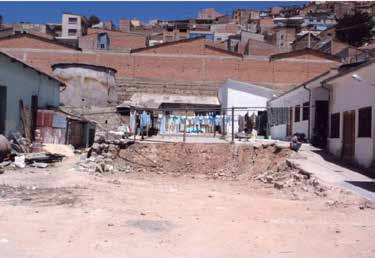
Figure 4 – Construction of the Burn Unit, Oruro, Boliva
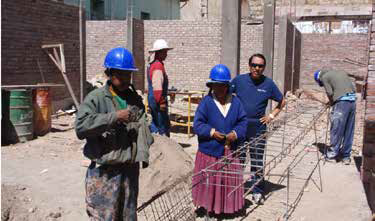
Figure 5 – Construction of the Burn Unit, Oruro, Boliva
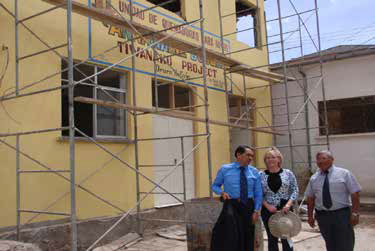
Figure 6 – Construction of the Burn Unit, Oruro, Boliva
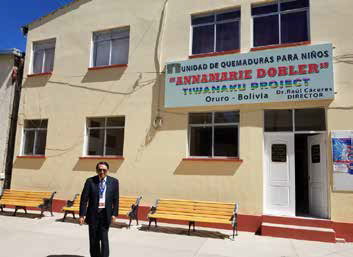
Figure 7 – Burn Unit, Oruro after completion — Dr. Caceres in the
foreground,
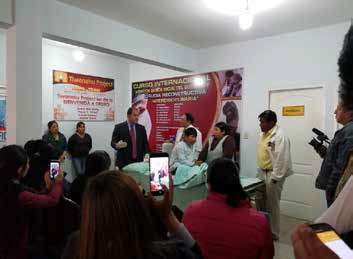
Figure 8 – Dr. Michael H. Tirgan during a clinical visit to a burn
unit, demonstrating advanced keloid treatment techniques on local
patients, highlighting hands-on education and real-world application
of specialized care for keloid disorder.
REFERENCES
1. Tigran, M.H., KRF Clinical Practice Guidelines in Keloid Disorder
(KRF Guidelines®) EAR KELOIDS - Version 1.2018, Nov. 19, 2018.
Journal of Keloid research. Special Edition, April 1, 2019
2. Tigran, M.H., KRF Clinical Practice Guidelines in Keloid Disorder
(KRF Guidelines®) CRYOTHERAPY - Version 1.2018, Nov. 30,
2018. Journal of Keloid research. Special Edition, April 1, 2019