BACKGROUND
Beyond physical sequelae, patients with Keloid Disorder often experience anxiety, depression, reduced self-esteem, stigmatization, and social withdrawal, all of which contribute to a negative impact on quality of life. Hypertrophic lesions and post- burn lesions share some clinical features, yet few studies have directly compared their psychosocial repercussions within the same cohort. This study aimed to compare body acceptance and appreciation, anxiety, and depression in three groups of patients: burn scars, hypertrophic scars after surgery or incised-contused wounds, and keloidal lesions. The Body Appreciation Scale (BAS) is a validated instrument accepted across diverse cultural contexts, and was employed to assess body acceptance and appreciation. The Hospital Anxiety and Depression Scale (HADS), widely used in clinical populations with well-established psychometric properties, was the instrument used to assess anxiety and depression among the study patients. The combination of these instruments provides complementary frameworks for evaluating self-image and emotional health, key aspects for understanding the impact of skin alterations on patients’ overall quality of life.
METHODS
Exploratory, single-centre, cross-sectional study conducted in a dermatology
outpatient service between August 5 and 22, 2025. A convenience sample of 42 adults (≥18 years), clinically diagnosed by a dermatologist and allocated to three groups, Keloid Disorder (K, n=17), hypertrophic lesions (HL, n=10) and post-burn lesions (PBL, n=15), was evaluated. Patients with a known previous psychiatric diagnosis, pregnancy or breastfeeding were excluded. Body appreciation was assessed with the BAS and anxiety/depression with the HADS-A (to assess anxiety), HADS-D (to assess depression), using standard cut-offs: 0-7 normal, 8-10 borderline, ≥11 probable clinical case. Combined anxiety and depression was defined as the simultaneous presence of borderline/probable HADS-A and HADS-D. The BAS, HADS-A, and HADS-D questionnaires were administered individually, ensuring confidentiality, privacy, and consistency in the data collection process. Between-group comparisons used ANOVA for BAS and chi-square for categorical outcomes; the ordinal association between lesion group and combined anxiety-depression was tested with the Cochran-Armitage linear trend test. Univariate associations between combined anxiety-depression and two clinical features, facial involvement and functional impairment, were evaluated with Fisher’s exact test; odds ratios (OR) with 95% confidence intervals (CI) were estimated (Table 1).
RESULTS
BAS scores did not differ significantly between groups (p=0.78), indicating moderate-to-high body appreciation across conditions (mean BAS 3.85 K; 3.77 HL; 3.68 PBL). HADS-A (p=0.57) and HADS-D (p=0.43) scores were also similar, although the proportion of probable anxiety was highest in the PBL group (60.0%), followed by HL (50.0%) and K (35.3%). When combined anxiety and depression was examined jointly, no statistically significant difference was observed between groups (p=0.11, Cochran-Armitage), but a descriptive upward trend was observed from HL (0%) to K (5.9%) to PBL (20%). In univariate analysis (Table 1), combined anxiety-depression was significantly associated with facial involvement (p=0.017; OR 19.8, 95% CI 1.70-229.65) and functional impairment (p=0.039; OR 18.0, 95% CI 1.59-202.95), both features more frequently observed in the PBL group. Wide confidence intervals reflect the small sample size. Even though statistically significant differences were not observed in Body Appreciation Scale scores or in the prevalence of anxiety and depressive symptoms among the groups, the results suggest that all lesions types may be associated with a measurable psychological burden.
CONCLUSION
The psychosocial impact of cutaneous lesions is multidimensional, with K, HL and PBL exhibiting broadly similar levels of body appreciation and emotional
distress. Emotional vulnerability among patients with PBL appeared more closely related to clinical features such as facial involvement and functional impairment than to the underlying cutaneous condition itself. These findings should be regarded as hypothesis-generating and require validation in larger, multicenter studies. Nevertheless, the high prevalence of borderline and probable anxiety symptoms across all groups supports the mandatory integration of routine psychosocial screening into the multidisciplinary management of Keloid Disorder and related dermatologic conditions.
Table 1. Univariate associations between combined anxiety and
depression, facial involvement and functional impairment (n=42).
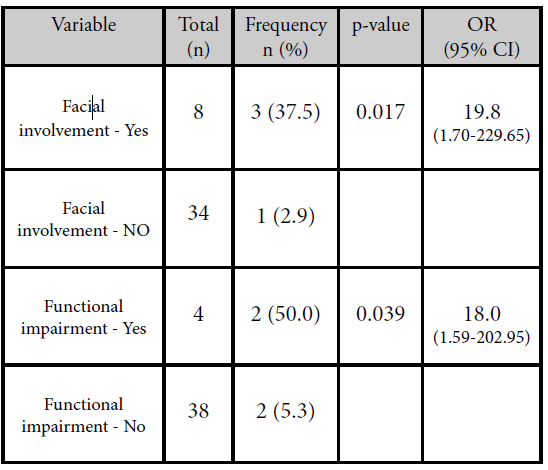
Table 1. Combined avnxiety and depression was defined as the simultaneous presence of borderline or probable anxiety (HADS-A) and borderline or probable depressive symptoms (HADS-D), according to standard cut-off points. Data are
presented as absolute frequencies and percentages. Univariate associations were assessed using Fisher’s exact test due to small cell counts. Odds ratios (OR) are presented with 95% confidence intervals (CI).